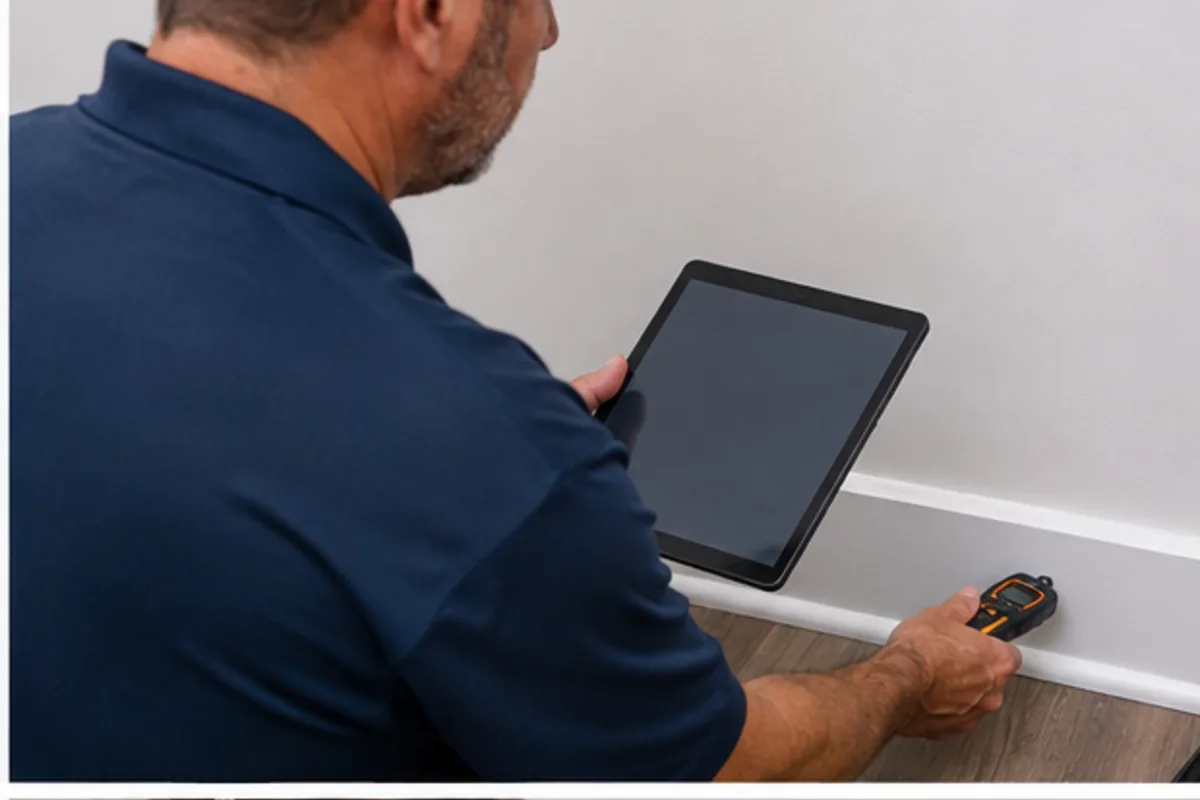
 ENTRY 01
BASELINE
Initial Houston Moisture Map
Room labels, affected materials, dry references, inaccessible cavities, and instrument context create the first boundary.
Standing water near electrical sources requires a safe, dry-location power decision.
CALL (713) 555-0194WATER DAMAGE RESTORATION HOUSTON TX / MOISTURE BOUNDARY
DryTrace Restoration is a Houston water damage restoration company built around the source, the actual wet materials, and a reviewable path to completion. We distinguish the assessment with room-by-room moisture boundaries, extraction and equipment zones, daily decision records, and a clear handoff to plumbing, roofing, electrical, mold, or reconstruction specialists when those scopes are separate.

Active water: use a safe shutoff only when it is known and accessible.
Electrical concern: do not operate controls or equipment while standing in water.
Sewage or floodwater: keep people and pets away from the affected boundary.
Record the loss conditions →SOURCE SWITCHBOARD
A pipe break, appliance leak, roof opening, sewage backup, and hidden historic leak create different access, contamination, material, and specialty-trade decisions. Select the closest source to preview the intake path.
Confirm that the plumbing source has been isolated, screen electrical concerns, map the water route across rooms and levels, protect contents, extract bulk water, and identify wet assemblies before drying decisions.
RESTORATION CHANNELS / 10
Each service route states the visible trigger, the information required for scope, and the boundary between mitigation and another contractor. The result is a commercial request that can be compared against a written proposal.
Source-aware extraction, material evaluation, controlled drying, cleaning, and a documented completion path.
Standing-water removal planned around the source, water condition, access, flooring, and contents.
Air movement and dehumidification organized by wet materials, room boundaries, readings, and review points.
Interior mitigation after pipe isolation, with room mapping, extraction, contents protection, and drying scope.
Cleanup for washer, dishwasher, refrigerator, and supply-line losses affecting cabinets, walls, and floors.
Controlled isolation, removal, cleaning, material decisions, and handoff for contaminated indoor water.
Interior water mitigation separated from roofing repair, with ceiling, wall, floor, and contents evaluation.
Phased extraction and drying for occupied sites, with access, continuity, zone, and reporting controls.
Item inventory, condition notes, move pathways, treatment scope, storage handoff, and return planning.
A coordinated assessment of suppression water, soot boundaries, contents, surfaces, and specialty handoffs.
MOISTURE BOUNDARY PROTOCOL
A reading has meaning only when it is tied to a material, location, instrument, and comparison. DryTrace organizes the loss as a boundary rather than a vague wet room: source zone, visible surface, concealed assembly, adjacent reference, equipment zone, and completion checkpoint.
Thermal patterns and noninvasive meters can guide investigation, but they do not prove every hidden condition. Selective access, material knowledge, loss history, and repeat readings may be needed. The written scope should state what was observed, what remains inaccessible, and who owns the next decision.
Review Moisture Reading Standards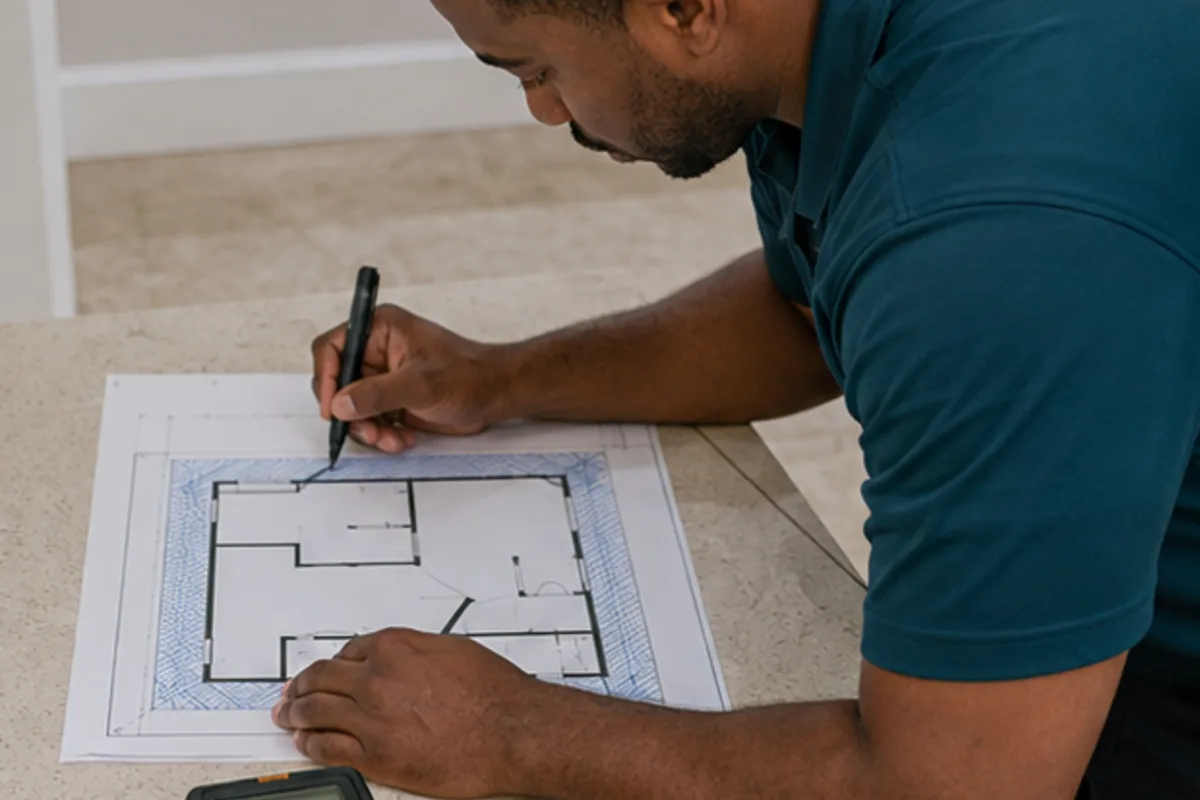
Comparable material outside the affected pattern supports a useful baseline.
The boundary follows readings and material layers, not only visible staining.
Cabinets, baseboards, flooring, ceilings, and insulation can conceal migration.
Repeat records explain the final material and equipment decision.
MATERIAL LEDGER
Two materials in the same room can retain water differently. Construction, finish, installation, contamination, exposure, access, and replacement interfaces change whether a layer is extracted, opened, cleaned, monitored, referred, removed, or handed to repair.
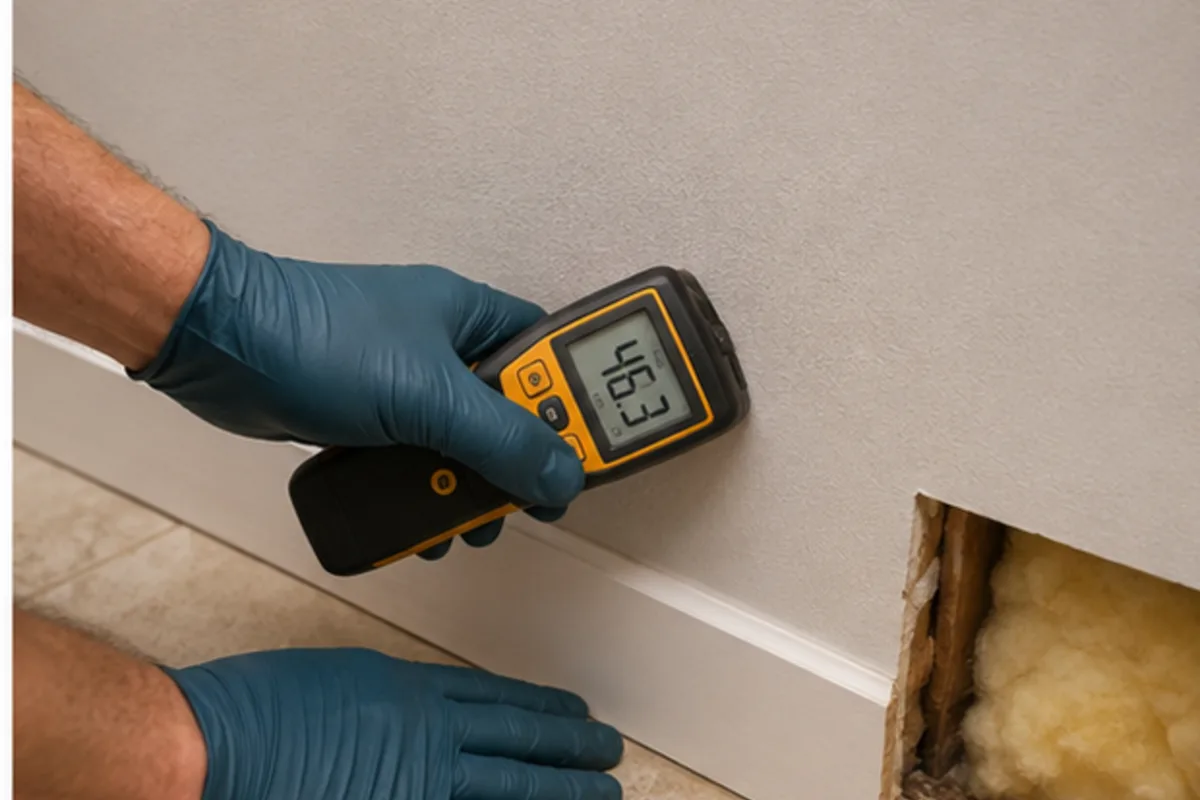 M–01
Assembly decisions based on water path, integrity, contamination, cavity access, and repeat moisture readings.
Review material scope →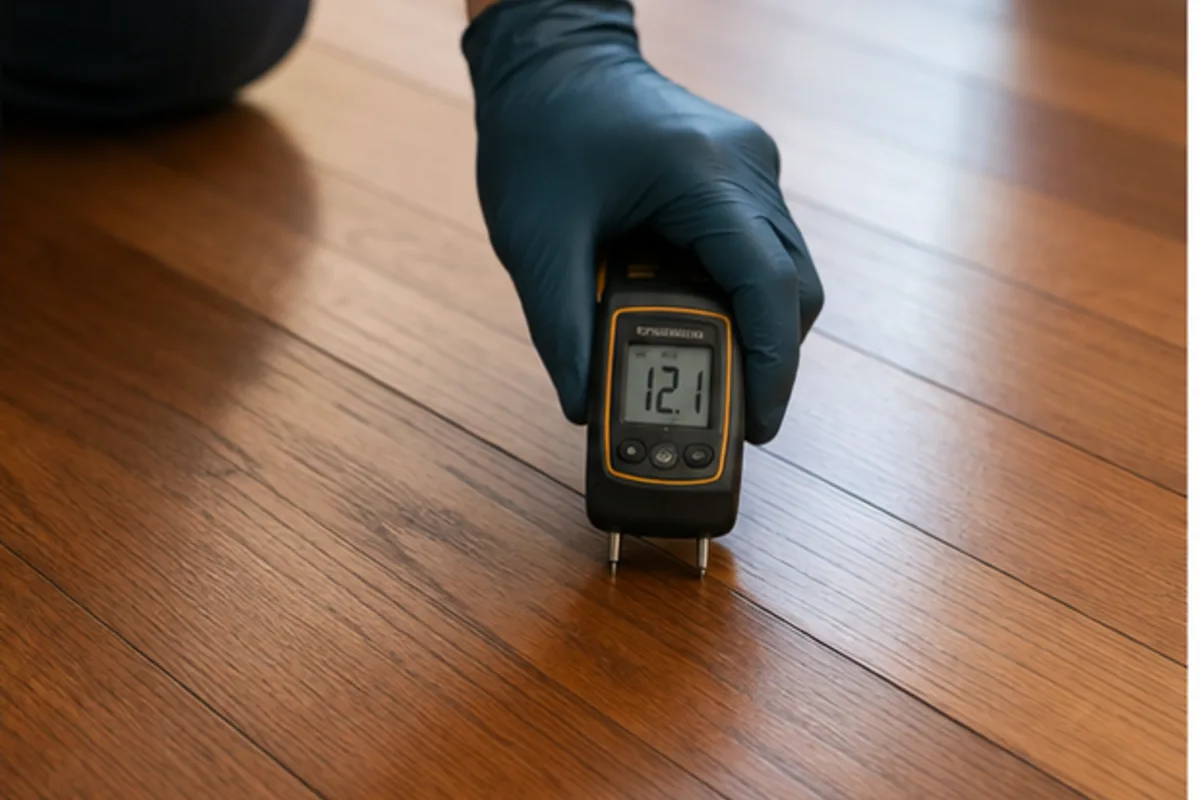 M–02
Moisture evaluation for finish layers, seams, underlayment, subfloor, and restoration feasibility.
Review material scope →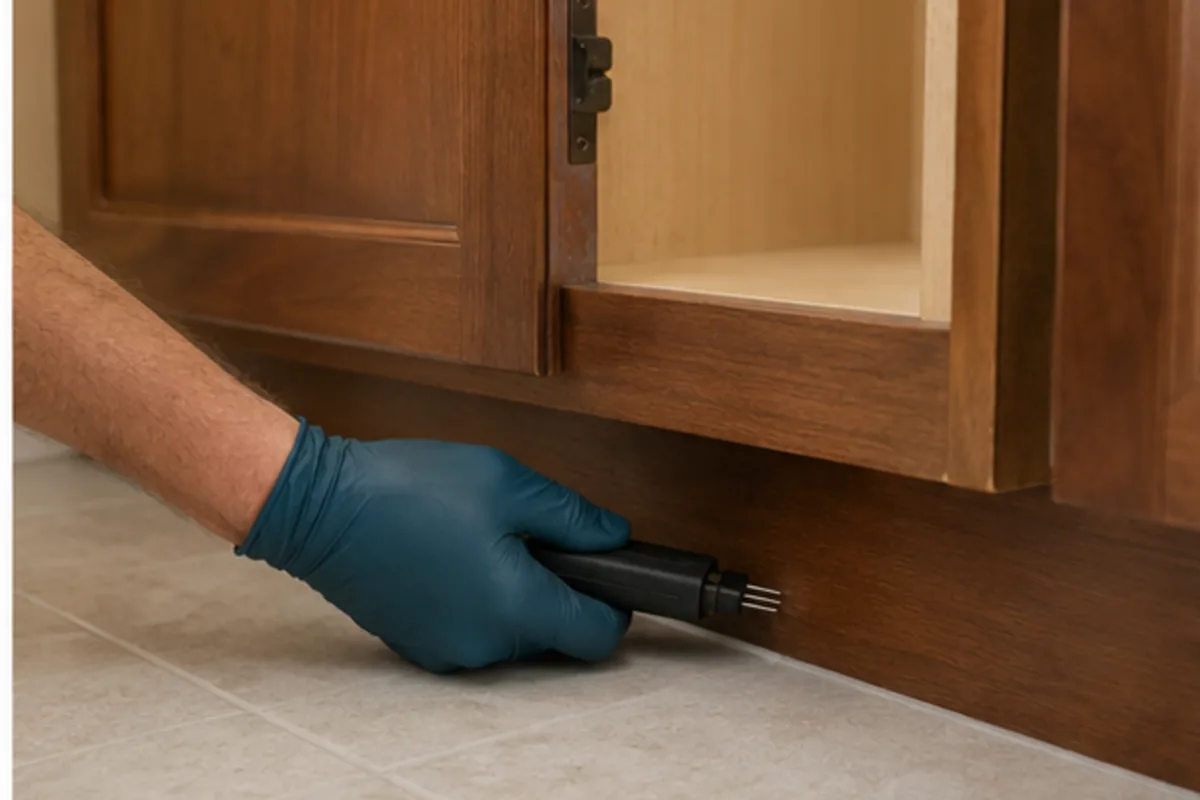 M–03
Extraction, lifting, pad, subfloor, contamination, and reinstall-or-replace decisions.
Review material scope →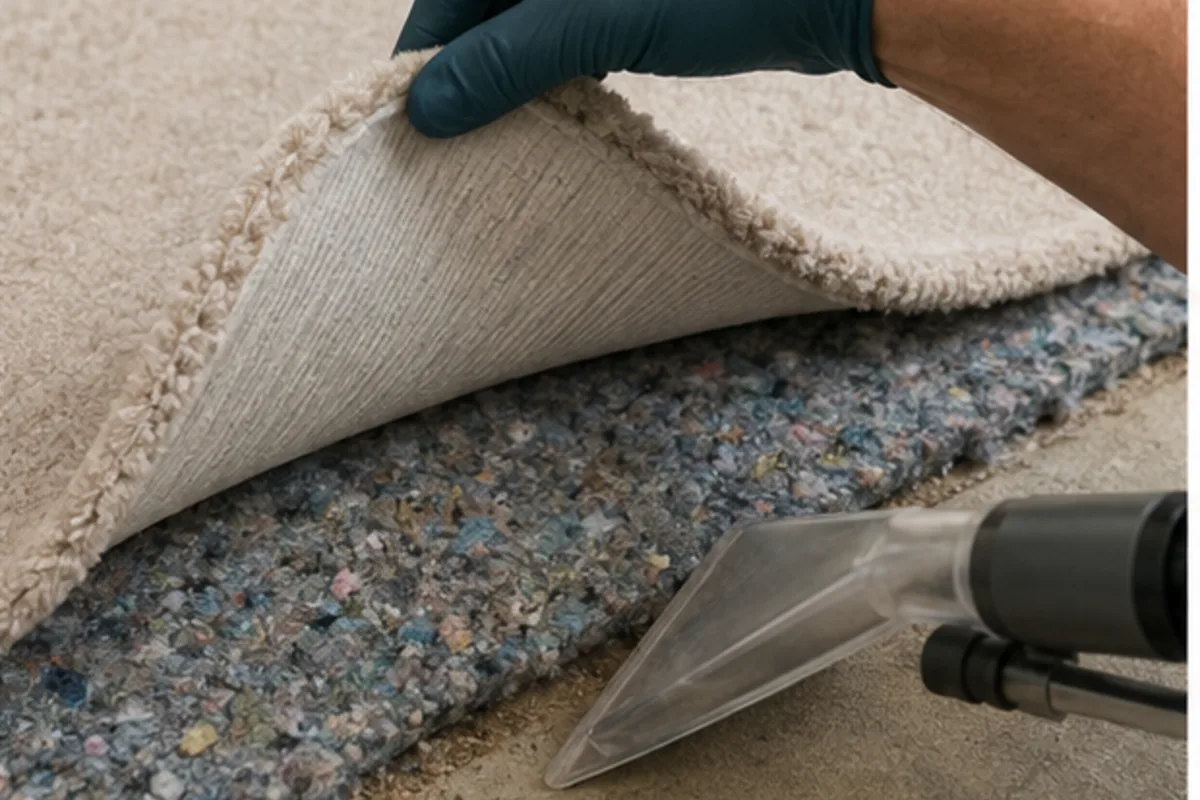 M–04
Toe-kick, panel, finish, wall-cavity, countertop, and contents review for kitchen and bath losses.
Review material scope →DAMAGE SIGNAL FIELD
Standing water is visible; moisture behind a cabinet, below a finish floor, or inside a ceiling is not. The problem page should convert the observed signal into measurements, safe access, affected layers, and a defined next step.
Visible water requires source status, electrical caution, water-condition screening, and an extraction route.
TRACE THE PROBLEM ↗ SIGNAL 02Moisture-path evaluation for painted surfaces, gypsum, insulation, cavities, and overhead safety concerns.
TRACE THE PROBLEM ↗ SIGNAL 03Layer-by-layer review of carpet, pad, hardwood, laminate, underlayment, subfloor, and transitions.
TRACE THE PROBLEM ↗ SIGNAL 04A room-to-room loss path organized after the plumbing source is isolated by the appropriate trade.
TRACE THE PROBLEM ↗ SIGNAL 05A contamination-first response path for access control, porous materials, cleaning, and disposal decisions.
TRACE THE PROBLEM ↗ SIGNAL 06Interior mitigation for rain entry while source repair remains a separate roofing decision.
TRACE THE PROBLEM ↗ SIGNAL 07Moisture screening and material access decisions without turning odor alone into a diagnosis or health claim.
TRACE THE PROBLEM ↗ SIGNAL 08A comparative reading plan for cabinets, baseboards, walls, ceilings, floor layers, and adjacent dry references.
TRACE THE PROBLEM ↗PROPERTY CONTINUITY
Homes center family access and contents. Multifamily properties add residents, units, and management. Commercial sites add operations, inventory, work windows, and decision owners. One generic response card cannot represent all six programs.
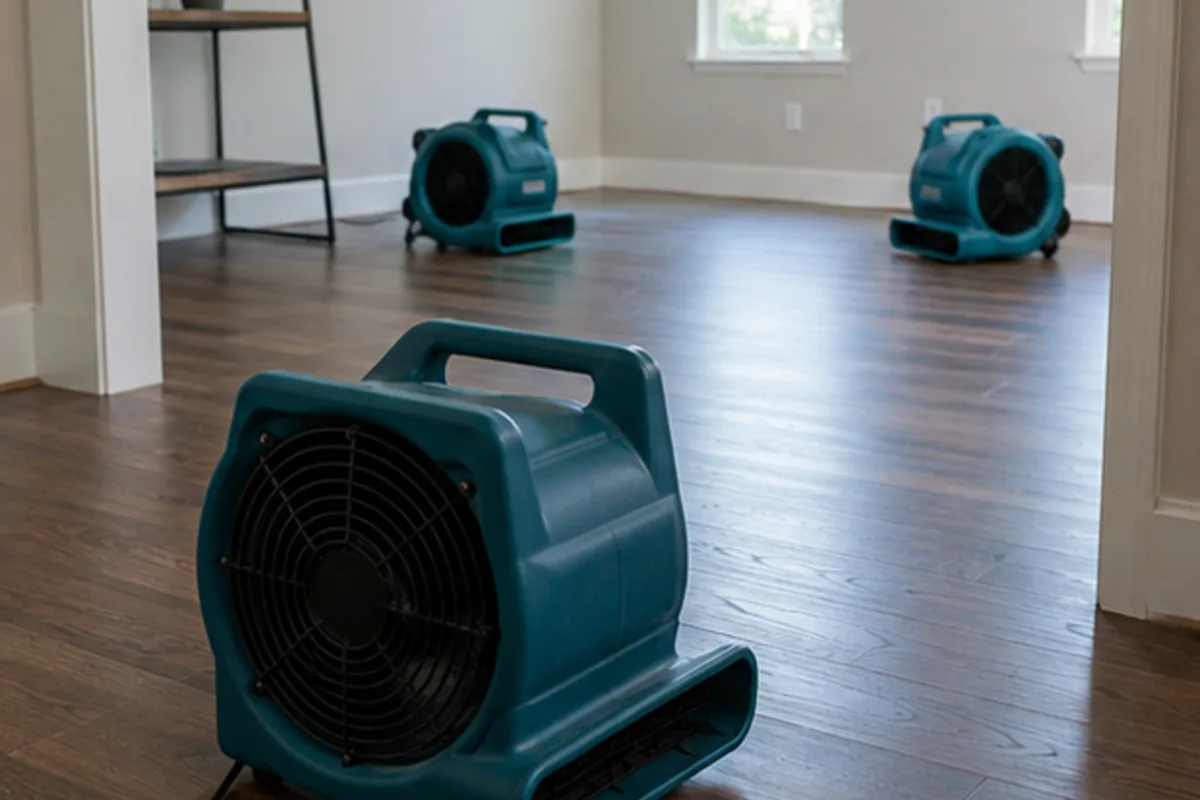
Room, family access, contents, material, documentation, and repair-handoff planning for homeowners.
OPEN PROGRAM →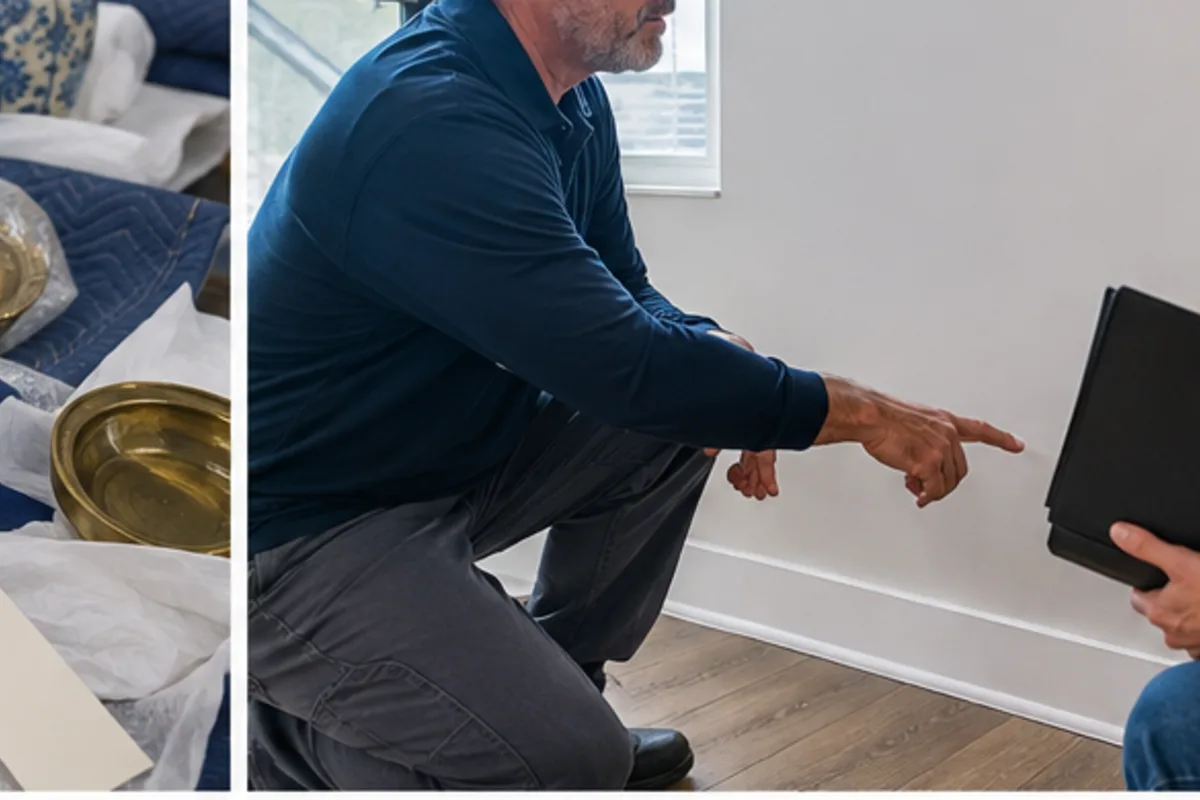
Owner, resident, manager, access, authorization, habitability, and repair coordination in one loss record.
OPEN PROGRAM →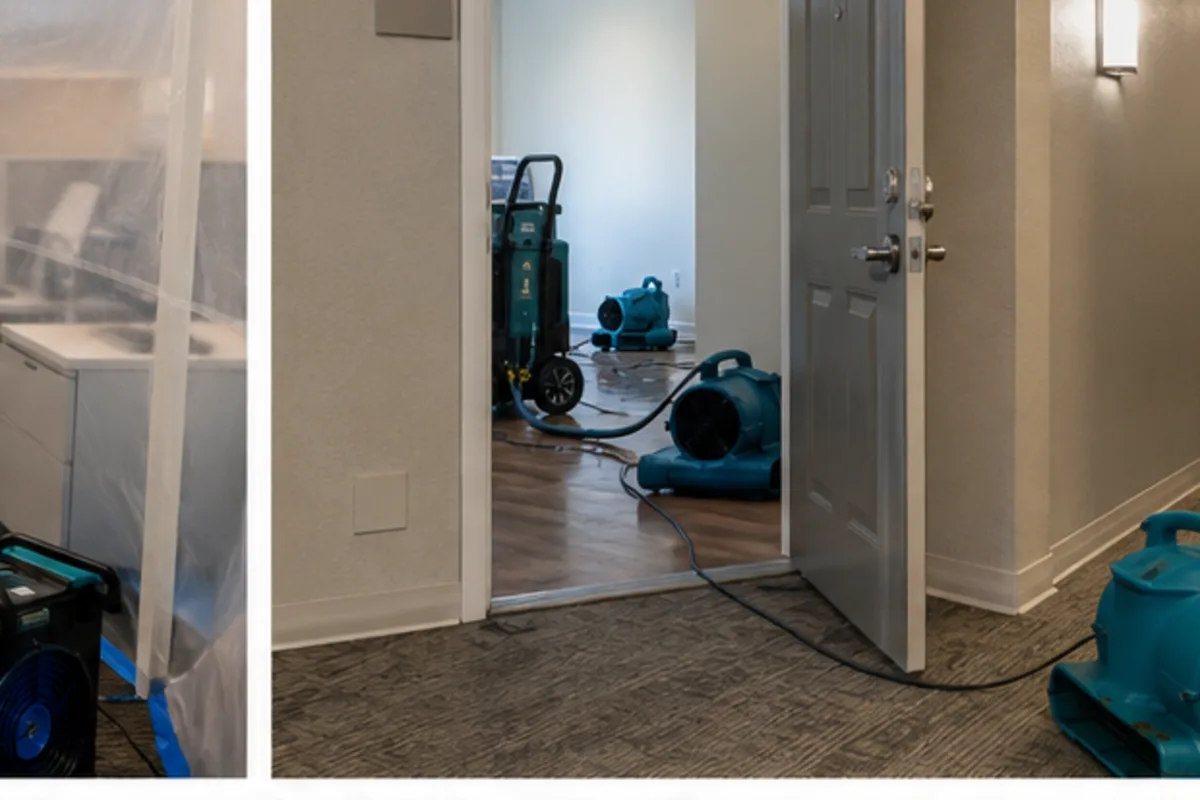
Unit-to-unit mapping, common-area control, management reporting, resident access, and phased drying.
OPEN PROGRAM →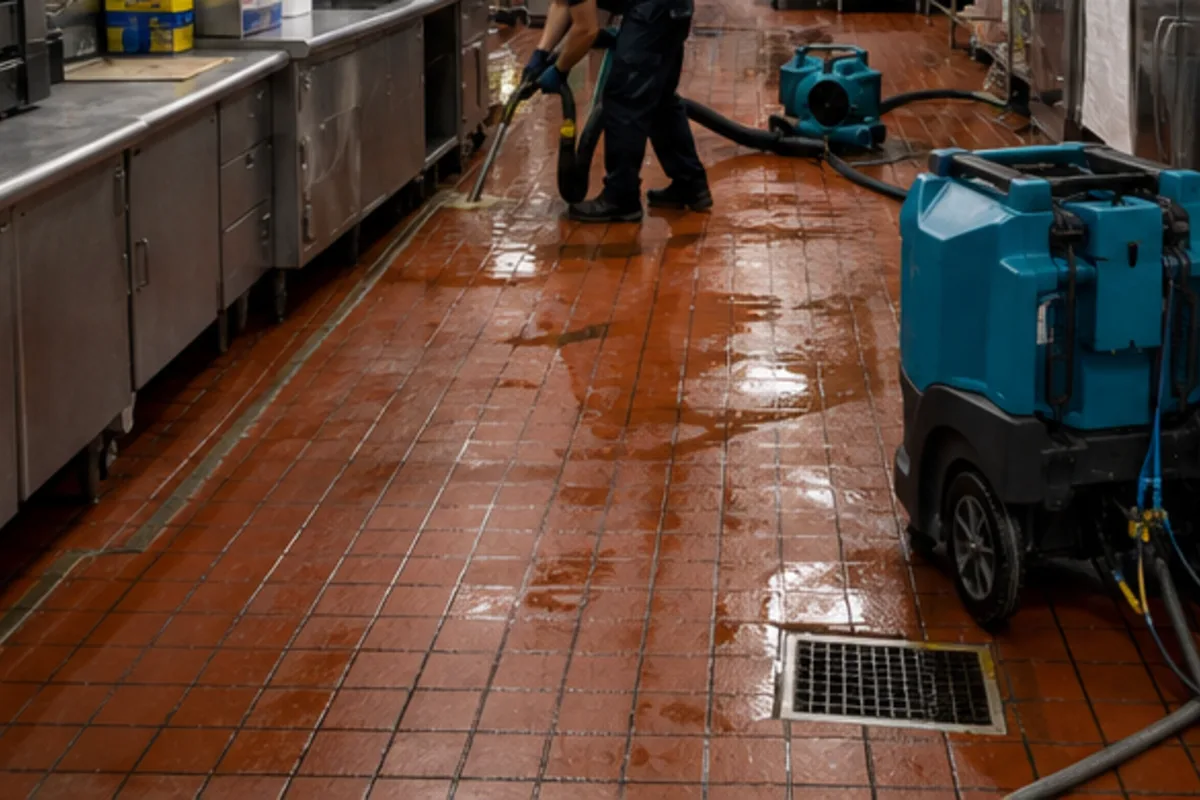
Customer-area, back-of-house, inventory, sanitation, vendor, and reopening-decision coordination.
OPEN PROGRAM →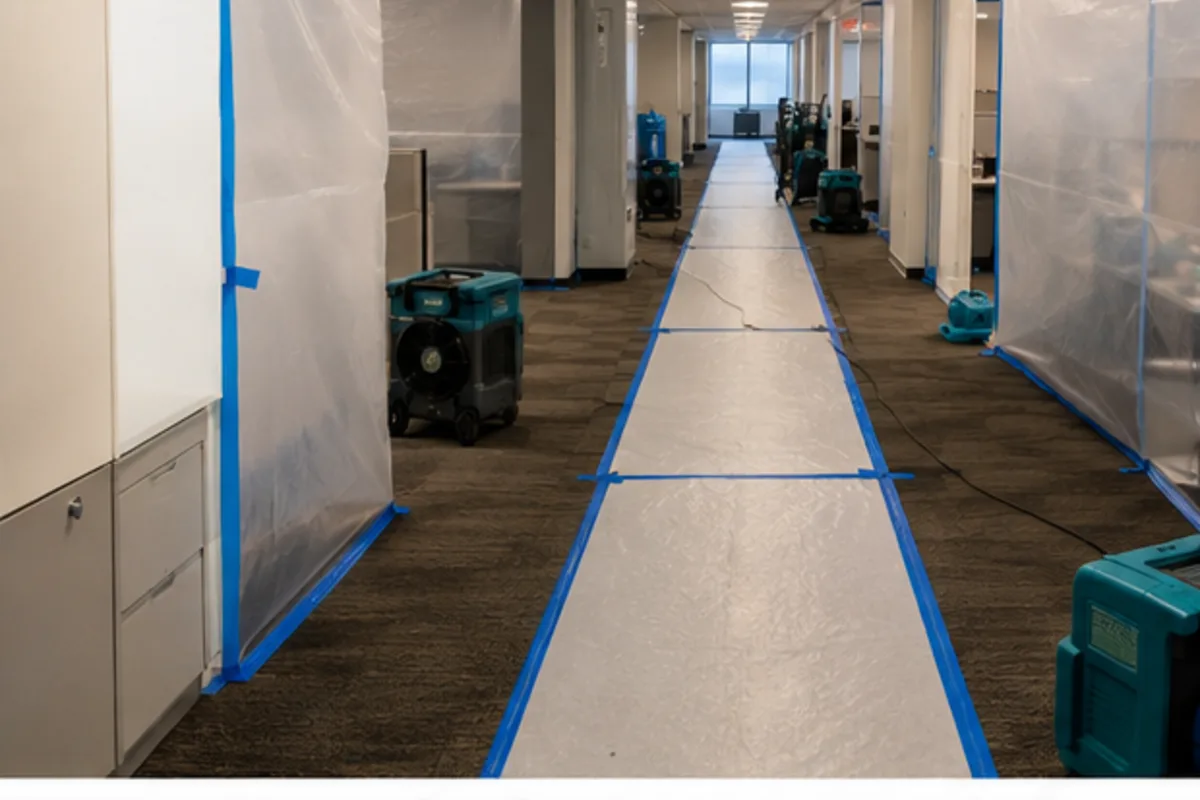
Occupied-area boundaries, sensitive contents, department access, records, specialty vendors, and phased return.
OPEN PROGRAM →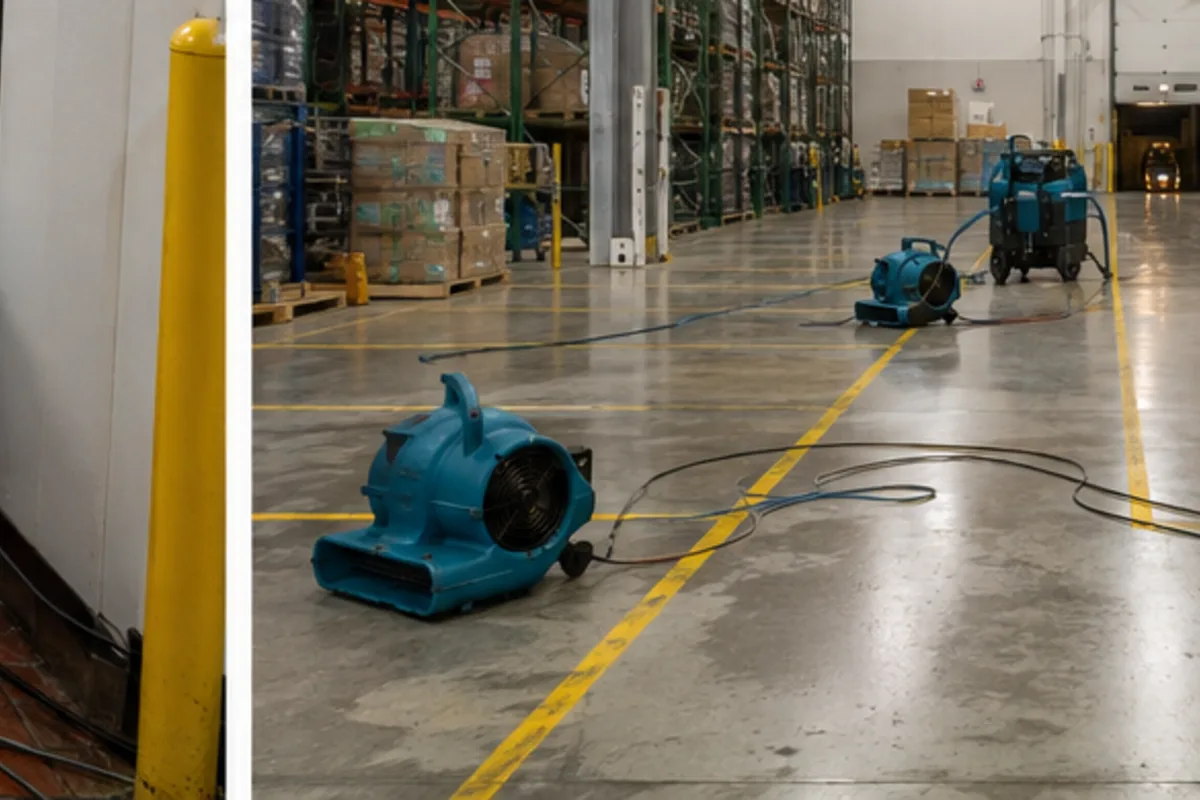
Large-floor extraction, inventory separation, equipment paths, dock access, zone reporting, and continuity scope.
OPEN PROGRAM →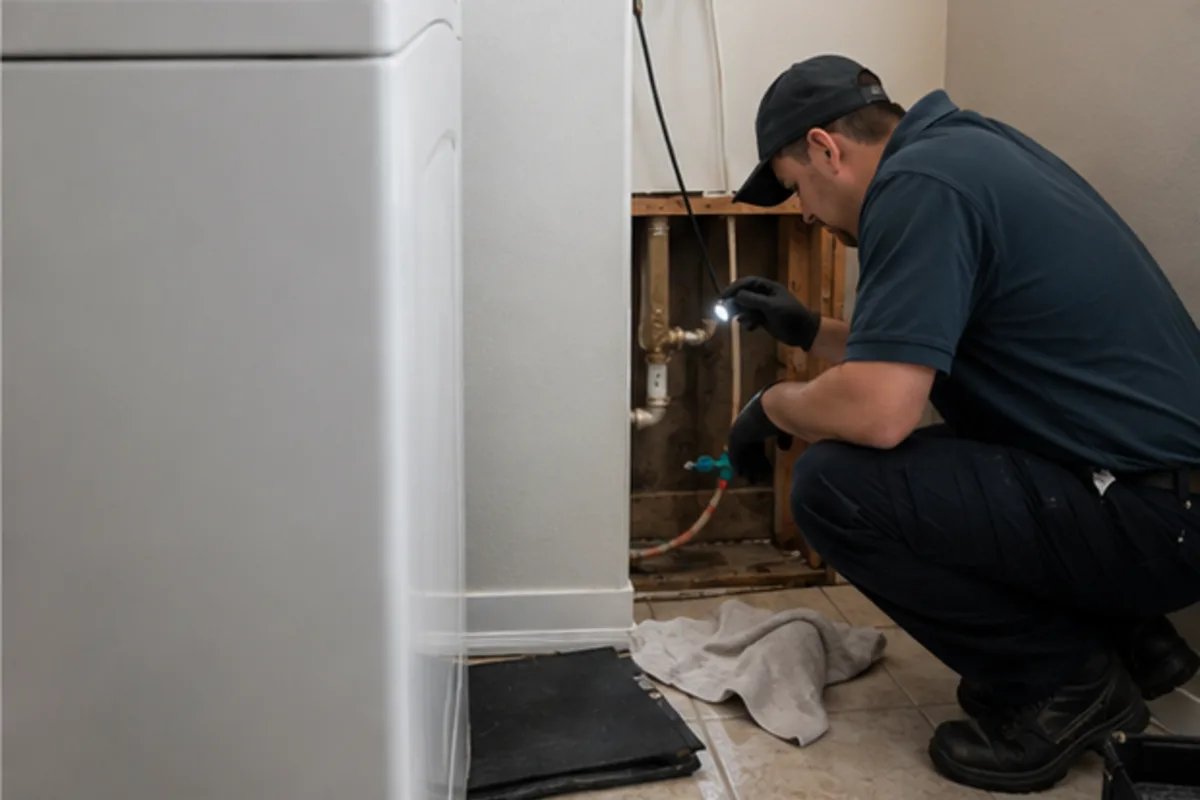 ILLUSTRATIVE SCOPE / NOT A CUSTOMER CLAIMASSEMBLY / CABINET VOID
ILLUSTRATIVE RESTORATION FILE / A–17
This example demonstrates the scope method and does not describe a real customer project. A washer, dishwasher, refrigerator, or supply line can release water onto a visible floor while moisture follows cabinet bases, seams, underlayment, wall plates, and adjacent rooms.
The restoration file records whether the source is isolated, which appliance or plumbing provider owns the repair, when the loss was discovered, whether electrical equipment is affected, which materials were contacted, what contents were moved, and which cavities remain inaccessible. Extraction and drying are then priced against that verified boundary.
CUSTOMER-FACING DRYING JOURNAL
Equipment placement alone does not explain progress. A journal connects the location, material, reading, comparison, environmental condition, access change, equipment status, and next decision. Dates below show the record structure, not a promised timeline.
ENTRY 01Room labels, affected materials, dry references, inaccessible cavities, and instrument context create the first boundary.
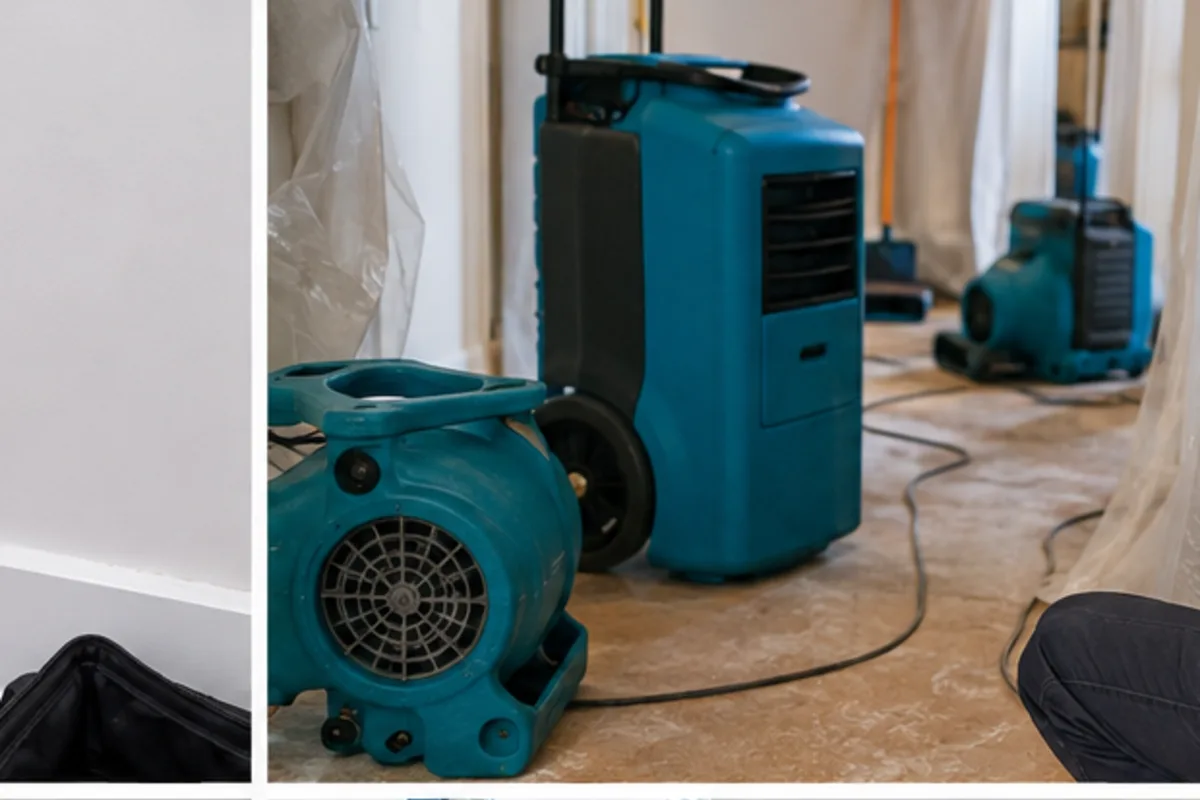 ENTRY 02
Air movement, dehumidification, access, obstructions, environmental readings, and equipment changes remain tied to the zone.
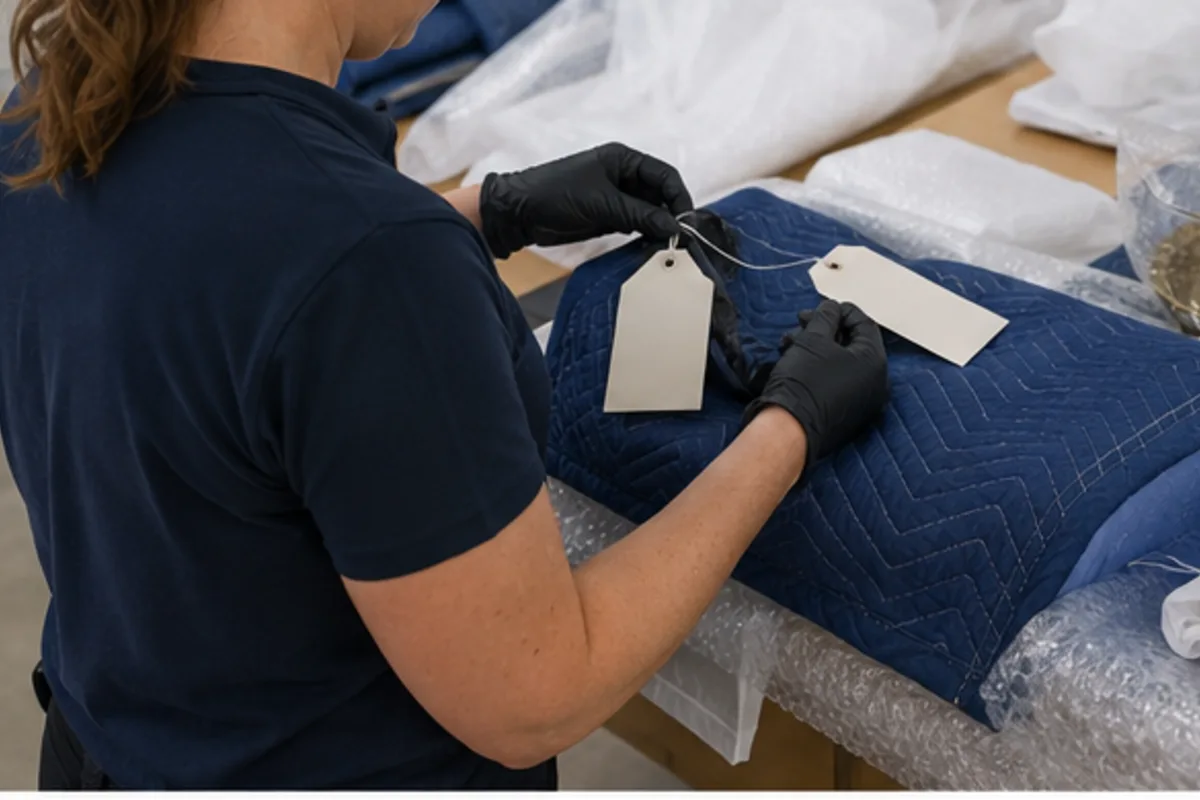 ENTRY 03
Origin room, condition, action, custody, specialist referral, storage, exception, and return status support a reviewable handoff.
ENTRY 04Final readings, retained materials, removed materials, open specialty work, repair boundaries, documents, and next owner are recorded.
HOUSTON SERVICE AREA COORDINATES
Neighborhood pages organize building types, typical access constraints, finish assemblies, management contacts, storm paths, and assessment inputs. They do not guarantee a crew, arrival time, provider coverage, or booked service.
Explore Houston Service AreasRESTORATION COST LAYERS
A credible proposal connects price to the measured loss. Website ranges cannot account for actual water condition, area, assemblies, access, equipment, contents, specialty vendors, repair work, or approved changes.
Loss origin, elapsed time, contact history, contamination indicators, source control, and safe access change the response.
Rooms, elevations, square footage, cavities, finishes, underlayment, insulation, cabinets, and contents define quantities.
Access, extraction method, equipment zones, monitoring, material removal, cleaning, and disposal belong in line items.
Plumbing, roofing, electrical, mold assessment or remediation, content specialists, and reconstruction need separate responsibility.
Photographs, readings, inventories, estimates, approvals, revisions, invoices, receipts, and completion notes support comparison.
COMMERCIAL DRYING JOURNAL / 15
01Compare a complete restoration request through source status, affected rooms, water condition, material decisions, equipment zones, and handoff records.
READ DECISION FILE ↗ 02
Build an extraction request around water depth, source control, contamination concerns, surfaces, contents, access, and post-removal readings.
READ DECISION FILE ↗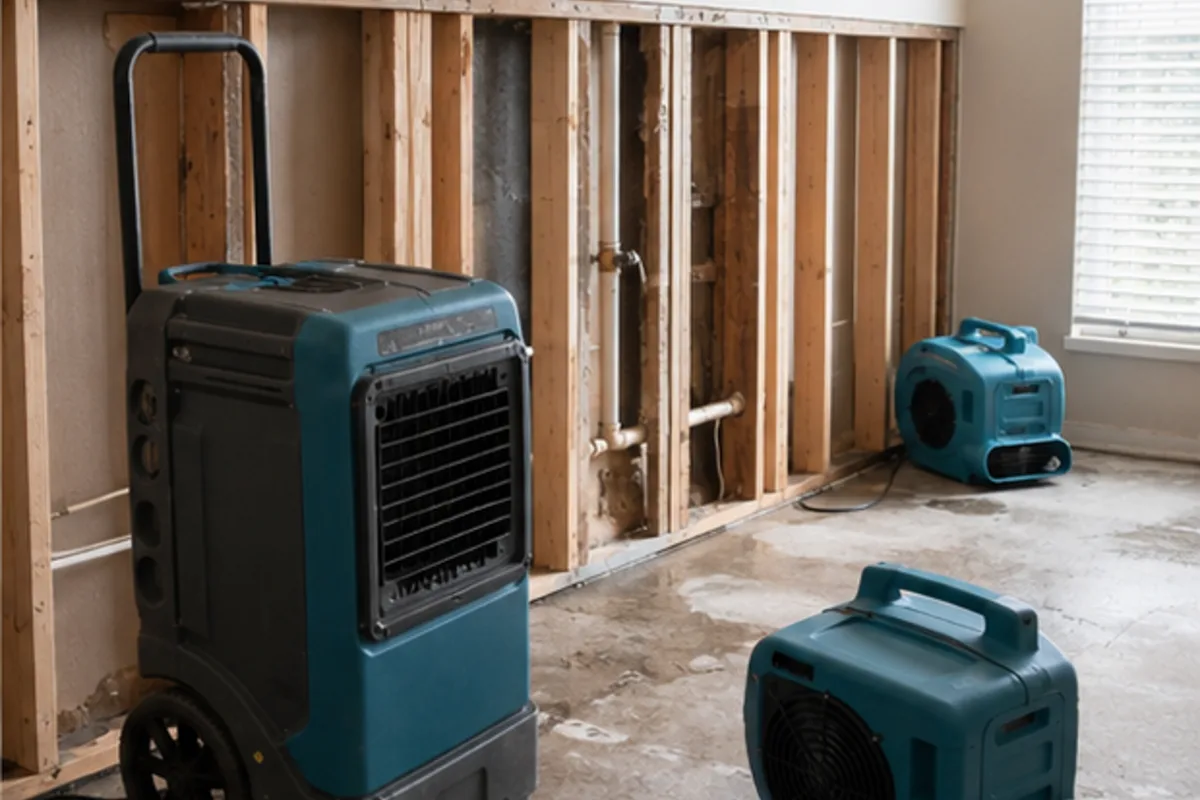 03
Compare structural drying through material-specific baselines, air movement, dehumidification, access decisions, monitoring, and completion review.
READ DECISION FILE ↗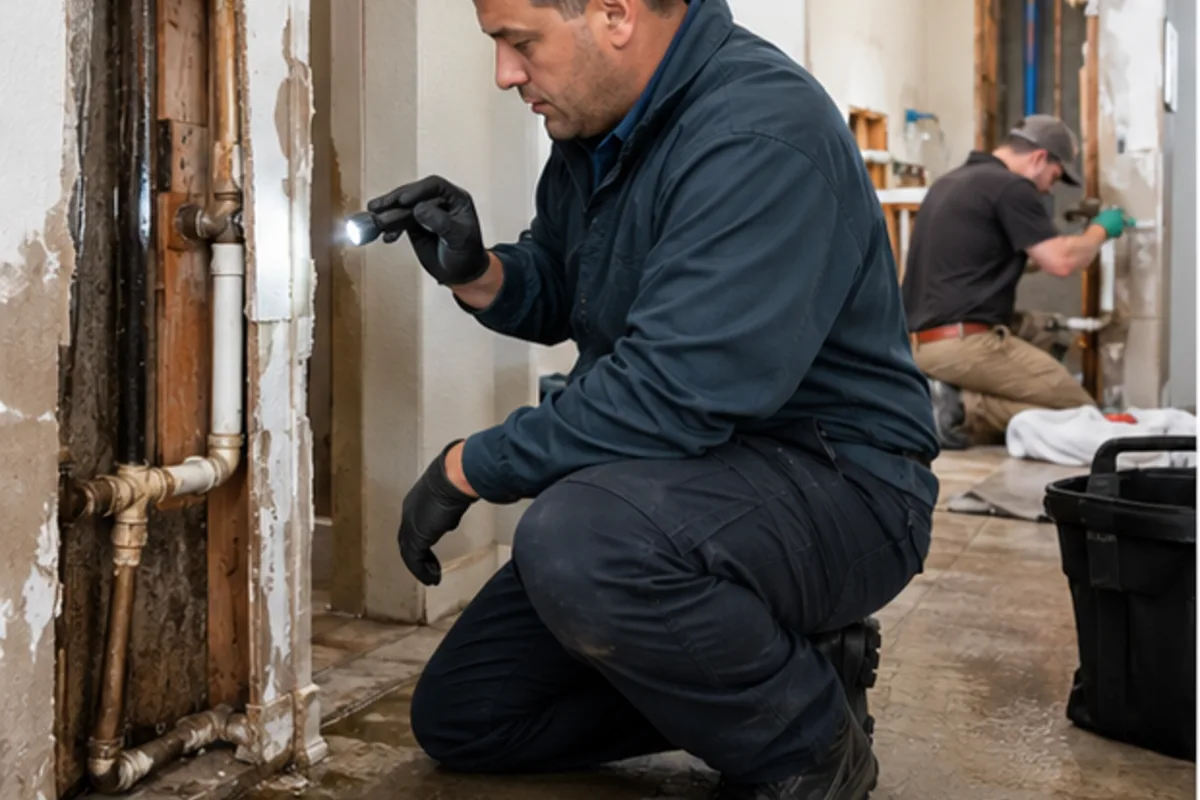 04
Organize burst-pipe cleanup after source isolation through migration mapping, contents protection, extraction, wet assemblies, and repair handoff.
READ DECISION FILE ↗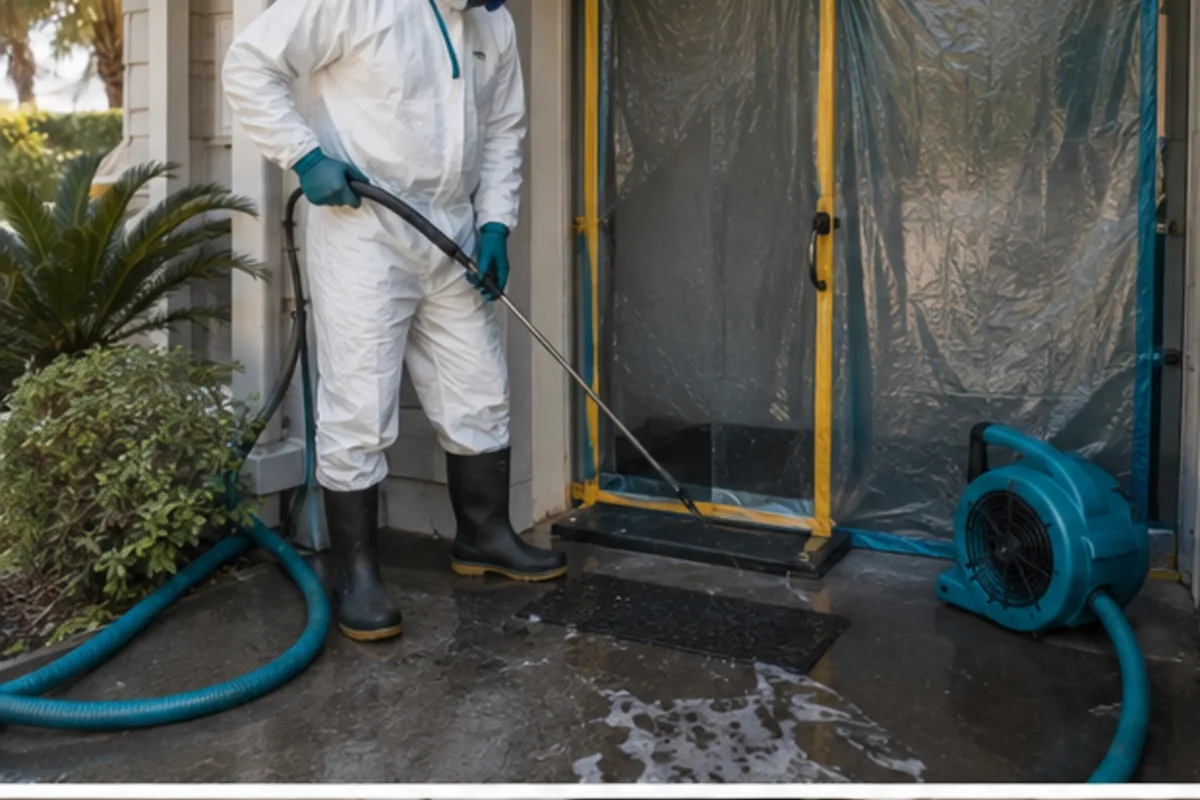 05
Evaluate sewage cleanup through restricted access, contamination boundaries, porous-material decisions, cleaning scope, disposal, and completion responsibility.
READ DECISION FILE ↗HOUSTON RESTORATION DECISIONS
These answers establish safe website guidance and commercial boundaries. The actual loss, provider, written proposal, property policy, and responsible specialty trades control the work.
Review all restoration FAQs →Extraction removes bulk water. Structural drying evaluates and monitors remaining moisture in affected assemblies. A proposal should state which materials, access steps, equipment zones, readings, and completion decisions are included.
Sewage and floodwater can contain biological or chemical hazards. Keep occupants away, avoid direct contact, disclose the source, and use an experienced provider whose actual contamination scope and credentials can be verified.
Photograph and record the loss when safe, keep estimates and receipts, communicate promptly with the insurer, and review the actual policy. Mitigation intake cannot promise coverage, payment, deductible treatment, or claim outcome.
Odor can support further moisture investigation but is not a diagnosis. Texas mold assessment and remediation may involve separate licensing and project requirements. Verify the actual provider and current state requirements before authorizing that scope.
PREPARE THE LOSS RECORD
Send whether water is still flowing, any electrical concern, the known or suspected source, contamination concern, property type, service ZIP, affected rooms, materials, loss timing, notes, and an optional photograph. Submission requests review; it does not promise dispatch, arrival, coverage, price, or completed service.